Oil Boiler Installation Edinburgh - Costs, Options & Local Engineers
Oil boilers remain the practical heating solution for Edinburgh properties that sit beyond the gas grid. Villages on the southern and western fringes of the city, along with older farmhouses and some rural Lothians properties, have no access to mains gas, making an oil-fired system the most straightforward like-for-like replacement or new installation. Knowing what the work costs, which systems to consider, and how to choose a competent local engineer will save you time and money.
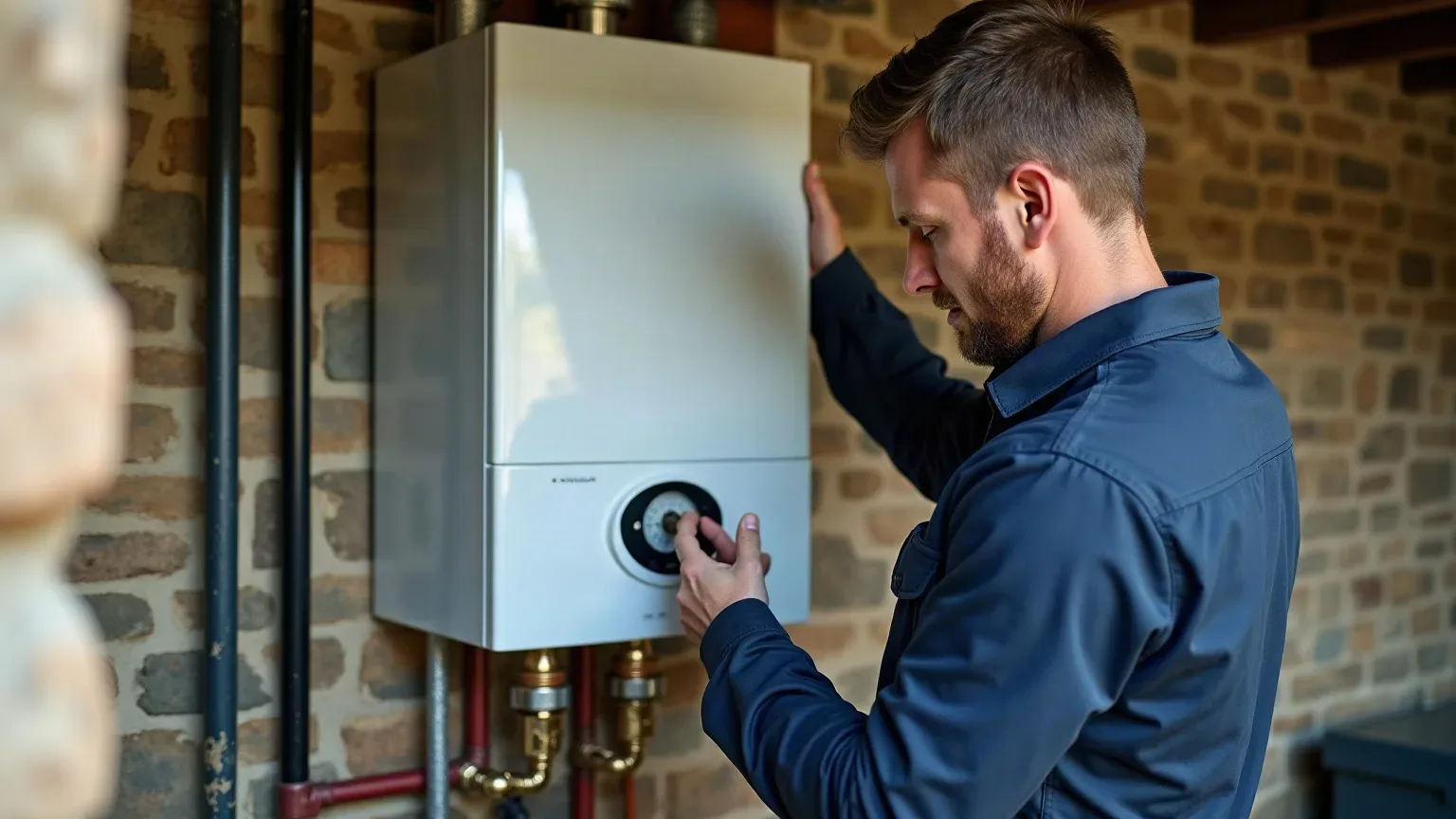
What Does Oil Boiler Installation Cost in Edinburgh
Oil boiler installation in Edinburgh typically costs £3,000–£5,000 for supply and fit, including an oil tank where one is required. The wider price range compared with gas installations reflects the variation in site complexity: a straightforward swap of an existing oil boiler with an accessible tank at one end, and a full new installation with buried pipework and a new bunded tank at the other.
Several factors push costs toward the upper end. A new bunded plastic tank, the current industry standard and often required by insurers, adds several hundred pounds on its own. Longer oil supply pipe runs, flue modifications, and restricted access to plant rooms all add labour time. Older properties may also need asbestos checks before any work begins.
Parts pricing matters too. Worcester Bosch, Vaillant, Ideal, and Baxi all manufacture oil-fired models, and engineer familiarity with a brand affects both installation speed and long-term servicing continuity. Choosing a boiler your local engineer regularly installs is a sensible practical step.
Oil Boiler Options Worth Knowing
Condensing Oil Boilers
All new oil boilers installed in Scotland must be condensing models. They extract additional heat from flue gases, achieving efficiencies of around 90% or above, compared with 70–80% for older non-condensing units. The condensate pipe requires a frost-protected route to a drain, which is a detail worth confirming with your engineer before installation day.
Combi Oil Boilers
Oil combi boilers provide central heating and domestic hot water from a single unit, removing the need for a separate hot water cylinder. They suit smaller properties with one bathroom and moderate hot water demand. Larger households or properties with two or more bathrooms tend to perform better with a system or heat-only boiler paired with a well-insulated cylinder.
System and Heat-Only Boilers
A system boiler incorporates most of the components needed for a sealed heating system and works with an unvented hot water cylinder. Heat-only boilers suit older open-vented systems with a feed-and-expansion tank in the loft. Both types handle higher hot water demand more reliably than a combi, making them common in Edinburgh's larger Victorian and Edwardian properties.
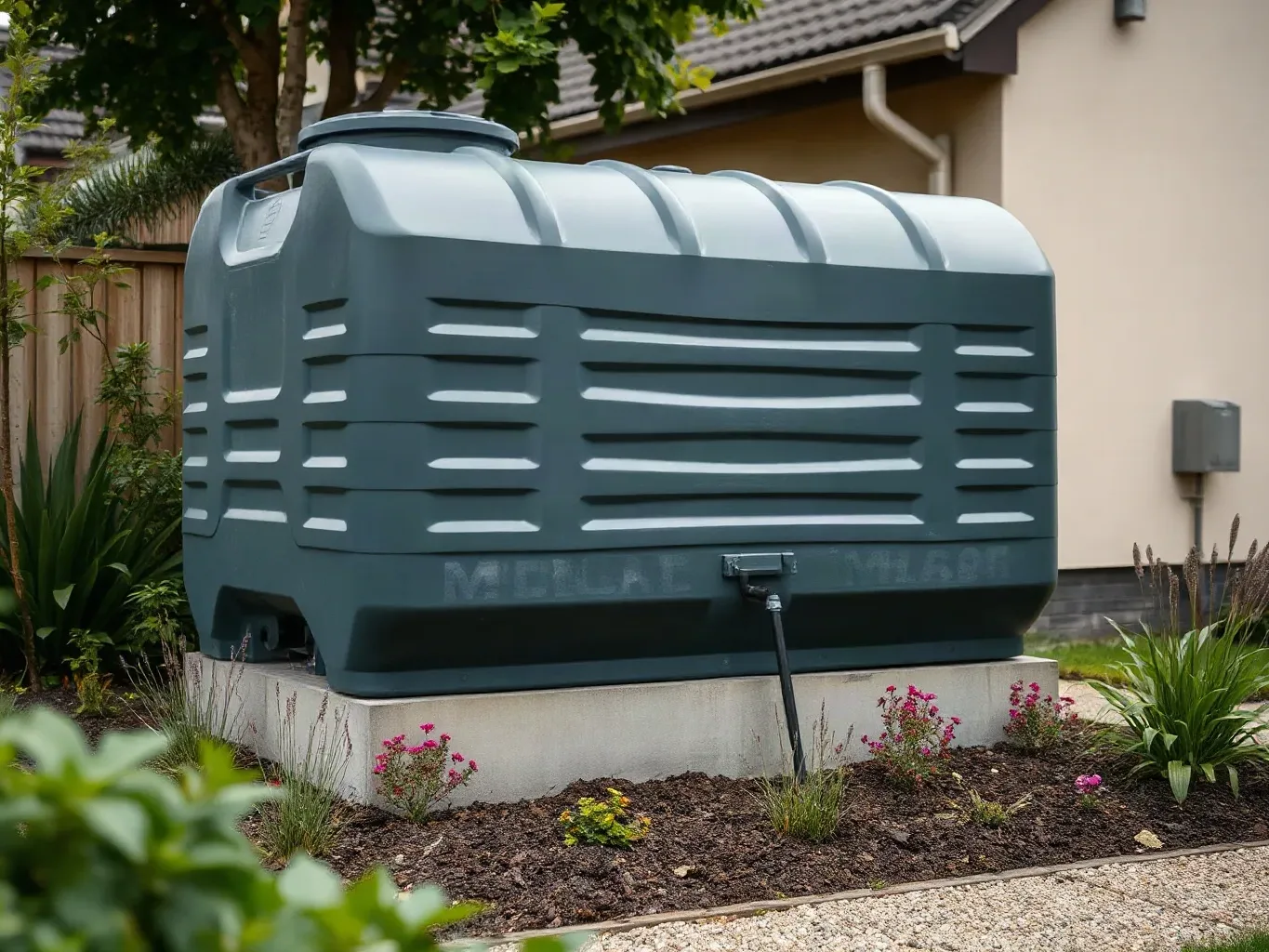
Oil Storage Tanks - What You Need
A bunded tank, essentially a tank within a tank, is required by Scottish building regulations for domestic oil storage above 2,500 litres and is best practice for any capacity given the environmental liability of an oil spill. Tanks are typically positioned at least 1.8 metres from any building or boundary and clear of any drainage. Plastic bunded tanks cost less than steel equivalents and resist corrosion, making them the default choice for most residential installations.
Tank sizing is straightforward: a typical 3–4 bedroom Edinburgh property uses 1,500–2,500 litres per year, so a 1,000-litre tank means more frequent deliveries, while a 2,500-litre tank gives greater flexibility on delivery timing and bulk pricing. Your engineer can confirm what size suits the property's heat loss and layout.
Finding a Qualified Oil Boiler Engineer in Edinburgh
All oil boiler installation work must be carried out by an OFTEC-registered engineer. OFTEC registration is the oil equivalent of Gas Safe registration, covering competence in commissioning, flue testing, and tank installation. You can verify any engineer's registration on the OFTEC website before booking.
For gas work on dual-fuel systems or any gas pipework on site, Gas Safe registration is separately required. Our engineers carry both accreditations alongside F-Gas certification (Category I) for any heat pump or air conditioning elements within a broader heating and cooling project.
When requesting quotes, ask each contractor to itemise the cost of the boiler unit, flue materials, tank, pipework, and commissioning separately. A single lump-sum quote makes it difficult to compare proposals or identify where savings are possible. Three itemised quotes give you a reliable sense of the Edinburgh market rate.
Is an Oil Boiler Still the Right Choice
For properties off the gas grid with no practical access to district heating or a heat pump-ready envelope, a new oil boiler remains a cost-effective and reliable heating solution. An air source heat pump (ASHP) is the long-term alternative, delivering 250–350% efficiency (COP 2.5–3.5) against an oil boiler's 90%, but ASHPs work best in well-insulated properties and carry installation costs of £8,000–£15,000 before any grant deductions. The Boiler Upgrade Scheme (BUS) currently offers a £7,500 grant toward ASHP installation, which can make the sums closer than they appear.
If your property has solid walls, single glazing, or limited loft insulation, an oil boiler replacement now with a planned retrofit pathway later is a common and sensible approach. Your installer should be able to assess the property's suitability for a heat pump and give you an honest comparison rather than defaulting to one technology.

Typical Timescales and What to Expect
A straightforward oil boiler swap, same location, existing compatible tank, takes one to two days. A new installation with tank positioning, fresh pipe runs, and a full system flush takes two to three days. Properties requiring structural penetrations for flues or oil lines may take longer, particularly in listed buildings where consent can add weeks to the programme.
Before installation day, clear a 1-metre working radius around the boiler and tank positions, confirm your oil supply is sufficient to commission and test the system, and check whether your property requires a building warrant. In Scotland, replacing a boiler on a like-for-like basis generally does not require a building warrant, but a change of system type or fuel does. Your engineer should confirm this before work begins.
Getting a Quote for Oil Boiler Installation in Edinburgh
Our engineers cover all EH1–EH17 postcodes and surrounding Lothians properties by arrangement, with emergency callouts targeted within four hours. Annual servicing for oil boilers runs on a similar schedule to gas, and keeping to a yearly service cycle protects manufacturer warranties and maintains efficiency.
Contact us with your property postcode, current system type, and approximate boiler age to receive a same-day quote. Providing a photo of your existing boiler and tank saves time and allows for a more accurate initial estimate before an engineer visits.

Frequently Asked Questions
What Is the Oil Boiler Installation Cost in Scotland?
Oil boiler installation in Scotland typically costs £3,000–£5,000 for supply and fit, including an oil tank where one is required. The exact figure depends on the boiler model chosen, whether a new bunded tank is needed, the length of oil pipe runs, and any flue modifications required by the property's layout.
Do I Need an OFTEC-registered Engineer to Install an Oil Boiler in Edinburgh?
Yes. All oil boiler installation work in the UK must be carried out by an OFTEC-registered engineer. OFTEC registration confirms competence in oil combustion, flue testing, and tank installation. You can verify any engineer's current registration on the OFTEC website before booking.
Can I Replace My Oil Boiler with a Heat Pump Instead?
An air source heat pump (ASHP) is the main alternative for properties off the gas grid. ASHPs deliver 250–350% efficiency in Scottish conditions but cost £8,000–£15,000 installed before any grant support. The Boiler Upgrade Scheme currently offers £7,500 toward an ASHP, which can significantly close the cost gap compared with a new oil boiler.
What Size Oil Tank Do I Need for a House in Edinburgh?
A typical 3–4 bedroom Edinburgh property uses 1,500–2,500 litres of heating oil per year. A 2,500-litre bunded plastic tank gives the best balance of storage capacity and delivery flexibility. Your installer will advise on the exact size based on the property's heat loss calculation and available outdoor space.
How Long Does an Oil Boiler Installation Take?
A like-for-like oil boiler swap in an existing location usually takes one to two days. A full new installation, including tank positioning, new pipework, and system commissioning, takes two to three days. Listed buildings or properties needing structural work for flue routes may take longer due to consent requirements.