Air Source Heat Pump Edinburgh - Costs, Grants & How They Work
An air source heat pump, or ASHP, extracts heat from outdoor air and transfers it inside to warm your home and hot water. It works even when outdoor temperatures drop to around minus 15°C, which makes it a practical choice for Edinburgh's climate rather than an exotic gamble. The technology is mature, the supply chain is established, and Scottish homeowners are installing ASHPs at a growing rate as gas boiler replacements become more expensive and grant funding remains available.
How an Air Source Heat Pump Works
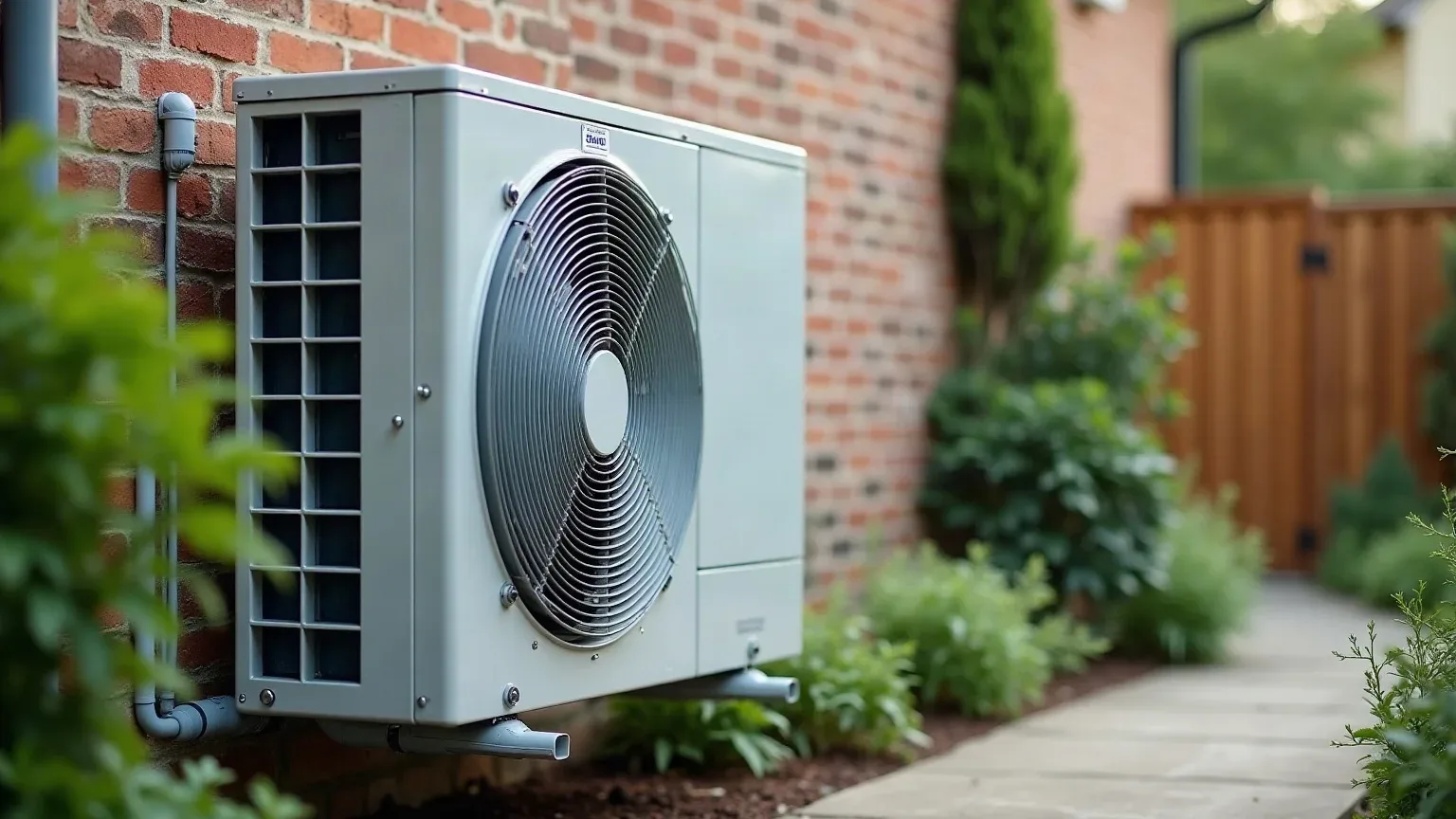
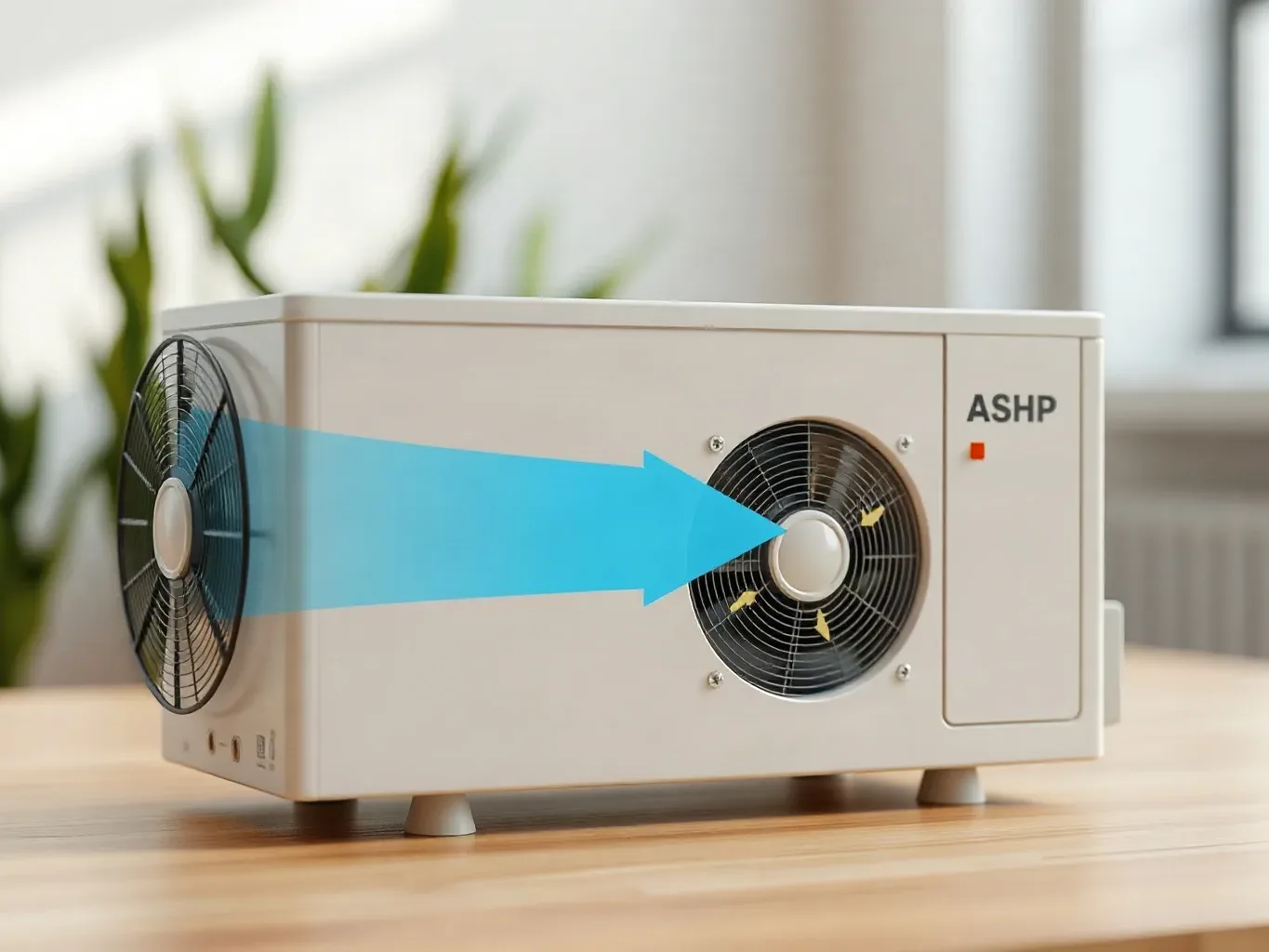
The ASHP unit sits outside your property, typically on a wall bracket or ground pad, and draws in air across a refrigerant coil. The refrigerant absorbs heat, compresses it to a higher temperature, and passes that heat to your central heating and hot water cylinder. The process runs on electricity rather than gas, which is the fundamental shift from a conventional boiler setup.
Because ASHPs move heat rather than generate it by burning fuel, they deliver significantly more energy output than they consume. In Scottish conditions, a well-sized ASHP typically operates at a coefficient of performance of 2.5–3.5, meaning 250–350% efficiency: every 1 kWh of electricity used produces 2.5–3.5 kWh of useful heat. No gas boiler can match that ratio.
Radiators and Underfloor Heating Compatibility
ASHPs perform best at lower flow temperatures than a gas boiler. Underfloor heating is an ideal match. If your home has radiators, an installer may upsize some of them to compensate for the lower flow temperature, typically to 45–55°C instead of the 65–80°C a boiler uses. This is a common part of Edinburgh ASHP installations and is costed into most full-system quotes.
ASHP Costs for Edinburgh Homes
Full supply and installation of an air source heat pump in Edinburgh costs £8,000–£15,000 before any grant deductions. That range reflects differences in property size, the capacity of unit required, whether a new hot water cylinder is needed, and the extent of any pipework or radiator modifications. Older tenement flats and detached Victorian villas sit at opposite ends of that spectrum.
What Affects the Final Price
Three factors move the needle most. First, the output capacity of the unit: a larger detached home in, say, Corstorphine may need an 11–14 kW unit where a mid-terrace in Leith might suit a 7–9 kW unit. Second, the hot water cylinder: most homes switching from combi boilers need a new unvented cylinder, adding £500–£1,000 to the job. Third, existing insulation: a poorly insulated property will need a larger unit and will see lower savings, so insulation improvements are often worth addressing before or alongside installation.
Grants Available in Edinburgh
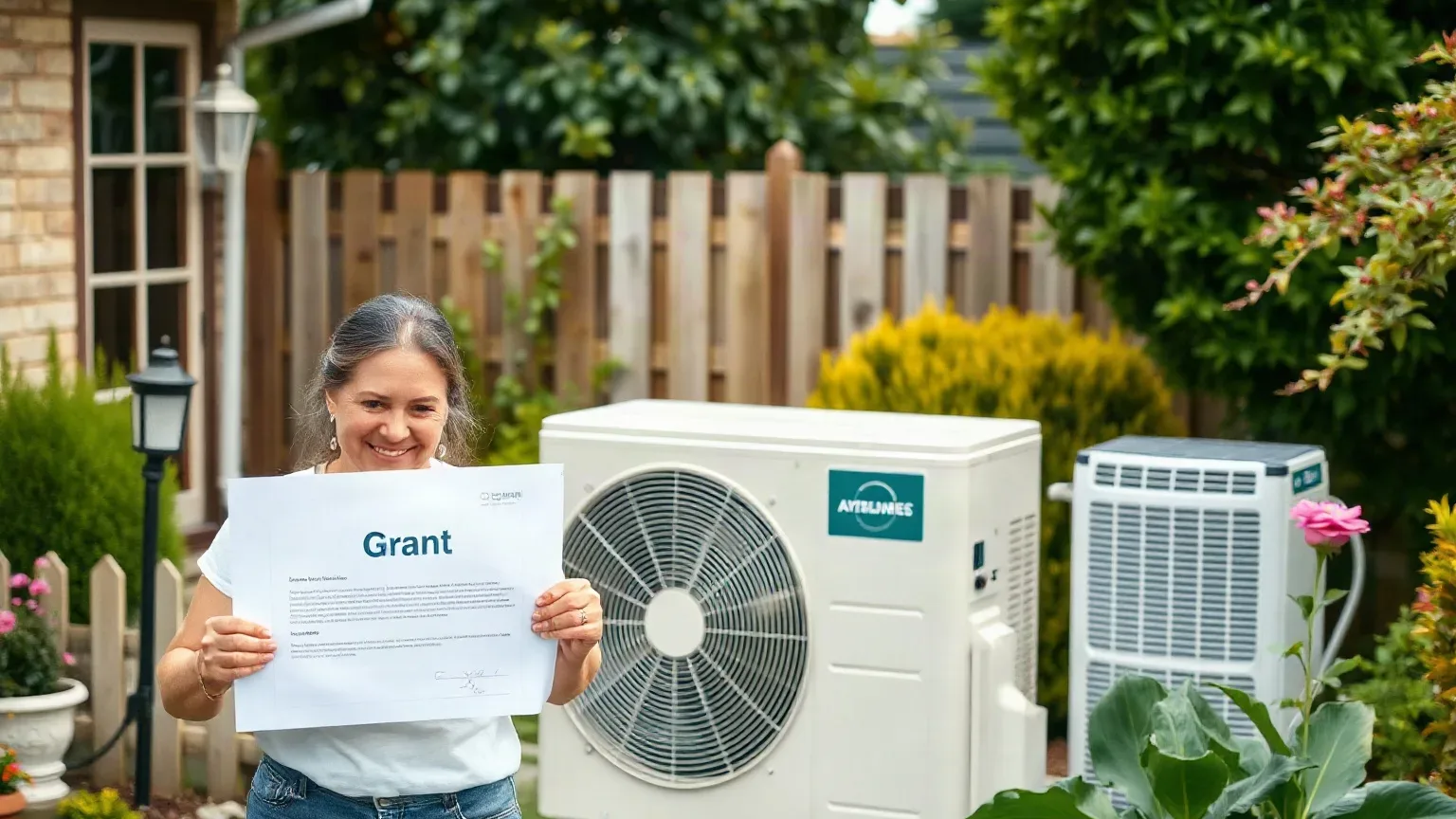
The Boiler Upgrade Scheme, administered by Ofgem, provides a flat grant of £7,500 toward the cost of an air source heat pump installed in England or Scotland. Your installer applies on your behalf, and the grant is deducted directly from your invoice. You do not receive a cheque or claim it back later.
Eligibility requires that the property is in Great Britain, has a valid Energy Performance Certificate with no outstanding recommendations for loft or cavity wall insulation, and that the application is submitted before the scheme closes. Scottish homeowners may also be eligible for support through Home Energy Scotland, which offers additional interest-free loans and cashback on energy efficiency measures. Contacting Home Energy Scotland before committing to a quote is worth doing, as the funding landscape does change.
Combining Grants with Other Funding
A £7,500 BUS grant applied to the lower end of a typical Edinburgh installation brings the net cost into a range that competes with a mid-range boiler replacement. Stacking BUS funding with a Home Energy Scotland loan reduces the upfront cash requirement to a manageable level for many households. An installer familiar with Edinburgh projects will know which schemes can run alongside each other and will handle the paperwork.
Is an ASHP Right for Your Edinburgh Home?
ASHPs suit most Edinburgh property types, but detached and semi-detached homes with adequate outdoor space for the unit typically see the strongest return. Flats in a tenement block face planning and access constraints that require a case-by-case assessment. Some Edinburgh council areas require permitted development consent for external units, particularly in conservation areas around the New Town or Morningside.
A well-insulated property with an EPC rating of C or above will see better running costs than an E-rated home. That said, many Edinburgh homeowners install insulation and an ASHP together as a single upgrade project. The running cost outcome depends on your electricity tariff, your usage patterns, and the COP of the installed system, so a reputable installer should model projected annual bills for your specific property rather than offering generic figures.

The Installation Process
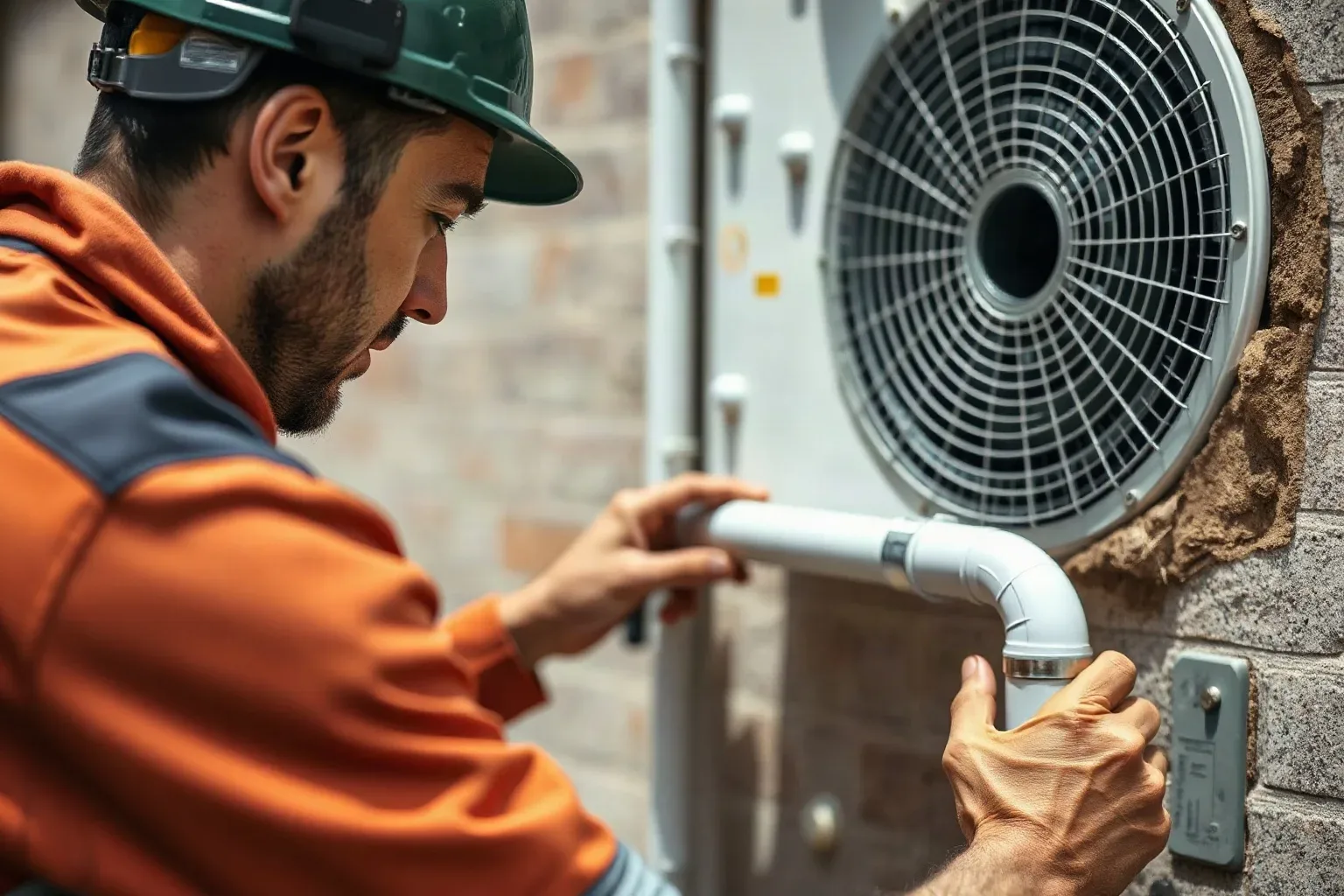
A standard ASHP installation in Edinburgh takes two to three days for a straightforward swap-out from a gas boiler. Day one typically covers placing the external unit, running refrigerant pipework, and making electrical connections. Day two covers cylinder installation, radiator checks, and commissioning. The system is pressure-tested, charged with refrigerant by an F-Gas certified engineer, and handed over with a demonstration of the controls.
All refrigerant handling must be carried out by engineers holding Category I F-Gas certification. All electrical work is notified under Part P. Any gas disconnection must be done by a Gas Safe registered engineer. Confirm certifications before work starts: a legitimate contractor will display registration numbers without hesitation.
Noise and Planning Considerations
ASHPs produce a low, steady fan sound from the external unit, and permitted development rules in Scotland set limits on this. Scottish permitted development rights for ASHPs require that the unit produces no more than 42 dB at one metre from a neighbour's window or door. Modern units from leading manufacturers typically meet this comfortably under normal operating conditions. If your property is in a listed building or a designated conservation area, you will need planning permission regardless of noise levels, so contact Edinburgh City Council's planning department early in the process.
Unit placement matters practically as well as legally. Installers will avoid positions directly below bedroom windows and will consider prevailing wind direction to prevent noise carrying toward neighbouring properties. These are routine decisions on Edinburgh projects, where terraced and semi-detached layouts are common.
Choosing an Installer in Edinburgh
Look for an installer who carries out a full heat loss survey of your property before sizing the unit. A properly sized ASHP runs in long, efficient cycles rather than short, wasteful bursts. Undersizing causes the system to struggle in cold snaps; oversizing drives up capital cost and reduces efficiency. Both are avoidable with correct survey work.
Worcester Bosch, Vaillant, Ideal, and Baxi all supply ASHP units alongside their boiler ranges. Established heating and cooling contractors in Edinburgh will typically offer more than one brand and recommend the most appropriate unit for your property's heat loss profile. Ask for a written specification that lists the model, output capacity, cylinder size, and any additional works before you sign anything.


Frequently Asked Questions
Air Source Heat Pump Cost Edinburgh
A full air source heat pump supply and installation in Edinburgh costs £8,000–£15,000 before grants. The range reflects property size, the capacity of unit required, whether a new hot water cylinder is needed, and any radiator or pipework modifications. The £7,500 Boiler Upgrade Scheme grant is deducted directly from your installer's invoice, reducing the net cost significantly.
Air Source Heat Pump Efficiency
In Scottish conditions, an air source heat pump typically operates at a coefficient of performance of 2.5–3.5, which means 250–350% efficiency. For every 1 kWh of electricity consumed, the system delivers 2.5–3.5 kWh of heat. This is considerably more efficient than any gas boiler. Actual seasonal performance depends on your property's insulation level, the flow temperature the system runs at, and how well the unit is sized to your heat loss.
Air Source Heat Pump Grants
The main grant available in Edinburgh is the Boiler Upgrade Scheme, which provides £7,500 toward an air source heat pump installation. Your MCS-accredited installer applies on your behalf and deducts the grant from your bill. Scottish homeowners can also explore Home Energy Scotland, which offers interest-free loans and additional cashback on energy efficiency upgrades. Check eligibility before committing to a quote, as scheme terms can change.
Air Source Heat Pump Reviews
Homeowner experience with air source heat pumps is generally positive when the system is correctly sized and installed by a qualified engineer. Common praise centres on lower carbon emissions, reduced running costs compared to oil or LPG heating, and consistent comfort. The most frequent complaints in poorly reviewed installations trace back to undersized units, insufficient radiator upgrades, or incorrect commissioning rather than faults with the technology itself. Choosing an installer who carries out a full heat loss survey before sizing is the single most important decision.
Air Source Heat Pump Noise
Scottish permitted development rules require that an air source heat pump unit produces no more than 42 dB at one metre from a neighbour's window or door. Modern units from reputable manufacturers typically meet this limit comfortably during normal operation. The sound is a steady low-level fan hum. Placement is important: installers will avoid positioning units directly below bedroom windows or facing neighbouring properties at close range.
If your home is in a conservation area or is listed, you will need full planning permission and should contact Edinburgh City Council before proceeding.