Commercial Air Conditioning Edinburgh - Office & Retail Solutions


Why Edinburgh Businesses Are Installing Air Conditioning Now
Commercial air conditioning in Edinburgh is no longer a luxury reserved for large corporate offices. Retailers on Princes Street, professional services firms in the New Town, and light industrial units across Leith and Gorgie are all investing in climate control to protect staff productivity and meet rising customer expectations. A poorly regulated workspace raises staff absenteeism, reduces concentration, and can push customers out of a retail environment within minutes.
Edinburgh's climate presents a specific challenge. Winters are cold and damp, but summers bring unexpected warm spells, and modern office fit-outs with large glazing areas can overheat rapidly even on a mild day. A well-specified system handles both demands, providing heating in cooler months and cooling when temperatures climb.
System Types for Commercial Premises
Split and Multi-Split Systems
A split system places one indoor unit against a single outdoor condenser. It suits small offices, consulting rooms, or individual retail units with a single zone to control. Multi-split systems connect several indoor units to one or two outdoor condensers, making them practical for open-plan offices, multi-room suites, or larger retail floors. Coverage typically spans 3–5 zones on a single multi-split configuration, and each zone can be adjusted independently.
VRF and Ducted Systems
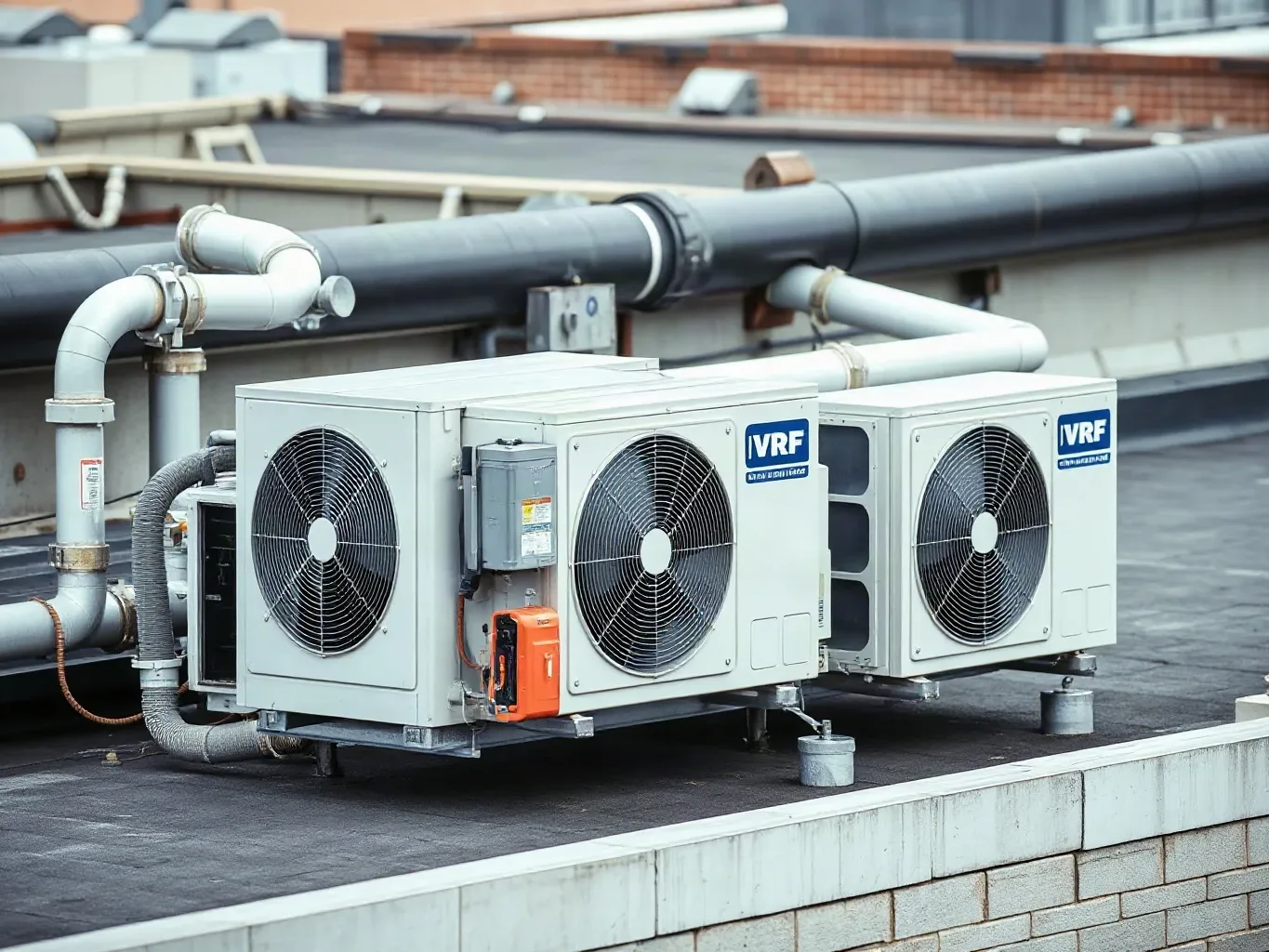
Variable refrigerant flow (VRF) systems suit larger commercial premises where a dozen or more zones need precise, simultaneous control. A ducted system hides all distribution pipework above a suspended ceiling, which keeps the appearance clean in client-facing environments. Both options require more detailed site surveys and engineering input, and commercial fit-outs are quoted separately from standard installations.
Cassette Units
Ceiling cassette units distribute airflow in four directions, making them popular in meeting rooms and retail spaces where wall space is limited. They integrate neatly into standard suspended ceiling grids and are among the most common choices for Edinburgh office refurbishments.
What Commercial Installation Involves
A commercial installation begins with a site survey to assess room volumes, occupancy levels, solar gain through windows, existing electrical capacity, and any planning or listed-building constraints. Edinburgh's New Town and Old Town contain a significant number of listed and category A or B protected buildings, so external condenser placement must be agreed carefully with landlords and sometimes local planners.
All refrigerant handling is carried out by F-Gas certified (Category I) engineers, which is a legal requirement for any system containing modern refrigerants. Gas-based heating elements within hybrid systems are handled by Gas Safe registered engineers. Expect installation of a typical multi-room office system to take two to three days, depending on floor count and cable routing complexity.

Coverage Across Edinburgh
The core service area covers all EH1–EH17 postcodes. That takes in the city centre, Leith, Portobello, Morningside, Corstorphine, and the business parks around the city's edge. Premises in the surrounding Lothians, including Musselburgh, Dalkeith, and Livingston, can be covered by arrangement. If your premises sit just outside the EH postcode range, a quick call confirms availability before you commit to a survey.
Running Costs and Energy Efficiency
Modern split and VRF systems operate as heat pumps during the heating cycle, achieving a seasonal coefficient of performance in the 250–350% range (COP 2.5–3.5) in Scottish conditions. That means for every kilowatt of electricity consumed, the system delivers 2.5–3.5 kilowatts of heating or cooling output. Inverter-driven compressors modulate output to match demand rather than cycling on and off, which cuts energy waste significantly compared with older fixed-speed units.
Energy performance certificates for commercial buildings are increasingly scrutinised by commercial tenants, and installing a modern climate system can improve a building's EPC rating. Businesses subject to ESOS (Energy Savings Opportunity Scheme) audits will find that documented system efficiency figures help satisfy reporting requirements.
What Does Commercial Air Conditioning Cost
Cost varies substantially by system type, zone count, and site complexity. A single split-unit supply and fit for a typical room runs £1,500–£2,500. A multi-split system covering 3–5 zones sits in the £3,500–£7,000 range. VRF and ducted installations for larger commercial premises are scoped individually, so a site survey is necessary before any accurate figure can be quoted.
Those figures cover supply and installation of equipment and do not include structural alterations, ceiling void access work, or three-phase electrical upgrades if your premises currently run on single-phase supply. Older Edinburgh commercial properties, particularly those in Victorian tenements or converted Georgian townhouses, sometimes require additional first-fix electrical work, and any such requirements are identified during the survey rather than appearing as a surprise after work begins.

Choosing the Right Brand and Specification
System brand affects spare part availability, warranty terms, and engineer familiarity. Mitsubishi Electric and Daikin dominate the commercial split and VRF market in the UK and are widely specified across Edinburgh offices. LG and Samsung offer competitive multi-split options, particularly for smaller commercial configurations. Your installer should be able to justify brand recommendations based on your site's specific load calculations rather than defaulting to a single preferred supplier.
Specification also depends on whether the system must meet any lease obligations. Some commercial leases in Edinburgh require tenants to reinstate premises on departure, so a system that can be cleanly removed without structural damage is worth specifying at the outset.
Maintenance Contracts and Ongoing Support
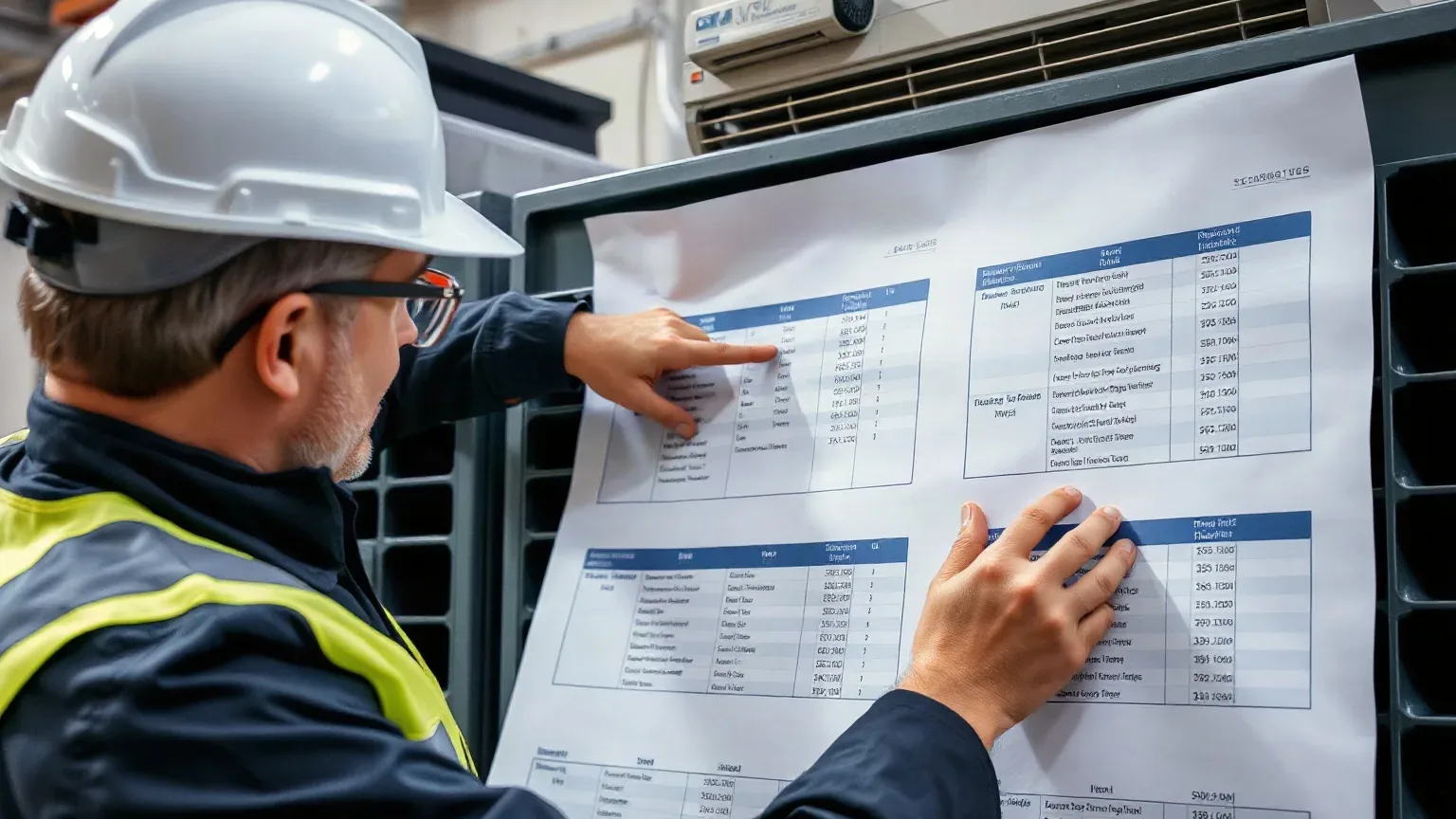
Commercial systems benefit from scheduled preventive maintenance at least once a year. Regular filter cleaning, refrigerant pressure checks, electrical connection inspections, and condensate drain testing keep the system running at rated efficiency and extend service life. An unmaintained system often loses 15–20% of its rated output before a fault becomes obvious, which raises running costs without any visible alert.
Many Edinburgh businesses tie maintenance into a service contract that includes priority callout response, with a target arrival time of within 4 hours for emergency faults. That kind of arrangement removes the uncertainty of finding an engineer at short notice during a summer heatwave or a critical pre-event cooling failure in a retail setting.
How to Get a Quote for Your Premises
The fastest route to an accurate price is a free site survey. An engineer visits your premises, assesses the space, confirms electrical supply, identifies condenser locations, and produces a written specification with itemised costs. That document is what you need to compare quotes fairly and, if relevant, present to a landlord or building manager for approval.
To book a survey, call or use the contact form on this site, specifying your postcode, the approximate floor area you need to condition, and whether you require heating capability as well as cooling. Most Edinburgh surveys can be arranged within three to five working days.

Frequently Asked Questions
What Does Commercial Air Conditioning Cost?
A single split-unit installation typically costs £1,500–£2,500 for a single room. A multi-split system covering 3–5 zones runs £3,500–£7,000 for supply and fit. Larger VRF and ducted systems are quoted after a site survey, as floor area, zone count, electrical supply, and any building-fabric constraints all affect the final price.
Do I Need Planning Permission to Install Air Conditioning in an Edinburgh Commercial Building?
Not always, but it depends on the building. Properties in Edinburgh's New Town or Old Town conservation areas, or those that are listed under category A or B, often require prior approval for external condenser units. A reputable installer will identify any restrictions during the site survey and advise on how to proceed before work begins.
How Long Does a Commercial Air Conditioning Installation Take?
A single split-unit installation for a small office usually takes one day. A multi-split system covering several zones typically takes two to three days. Larger ducted or VRF installations can run to a week or more, depending on ceiling void access, cable routing, and whether any electrical upgrade work is needed.
Which Air Conditioning System Is Best for an Open-plan Edinburgh Office?
A multi-split or VRF system is usually the best fit for open-plan spaces. Ceiling cassette units distribute airflow evenly in four directions and integrate cleanly into standard suspended ceilings. VRF systems offer the most granular zone control for larger floors, allowing individual areas to be set independently without affecting the rest of the office.
How Often Does a Commercial Air Conditioning System Need Servicing?
At minimum, a commercial system should be serviced once a year. High-occupancy premises such as restaurants, gyms, or busy retail units often benefit from two services per year. Regular maintenance includes filter cleaning, refrigerant pressure checks, electrical inspections, and condensate drain testing, all of which preserve efficiency and reduce the risk of unexpected breakdown.