Ground Source Heat Pump Edinburgh - Is Your Property Suitable?
What a Ground Source Heat Pump Actually Does
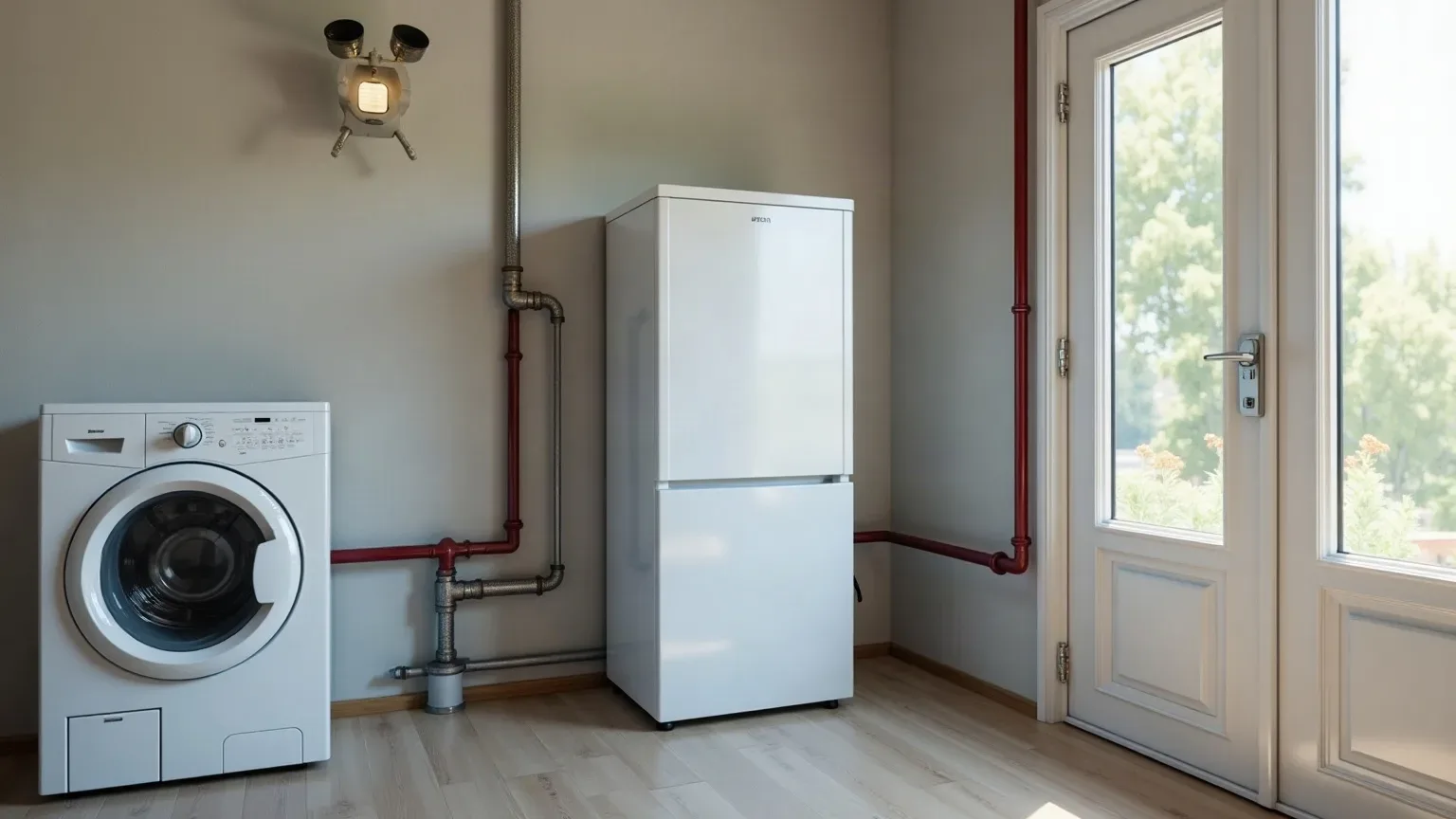
A ground source heat pump (GSHP) extracts heat stored in the ground and transfers it into your home's heating system. Even in Scotland's climate, soil temperature at depth stays between 8°C and 12°C year-round, giving the system a reliable heat source. That stored warmth is compressed and delivered to your radiators or underfloor heating at usable temperatures. The process consumes electricity, but a well-installed ASHP or GSHP typically returns 2.5–3.5 units of heat for every unit of electricity used.
For Edinburgh homeowners, the appeal is straightforward: lower running costs over time and freedom from gas supply. The installation cost is higher than a standard boiler, so the suitability question matters before any other decision.

The Two Ground Loop Options
Horizontal Collectors
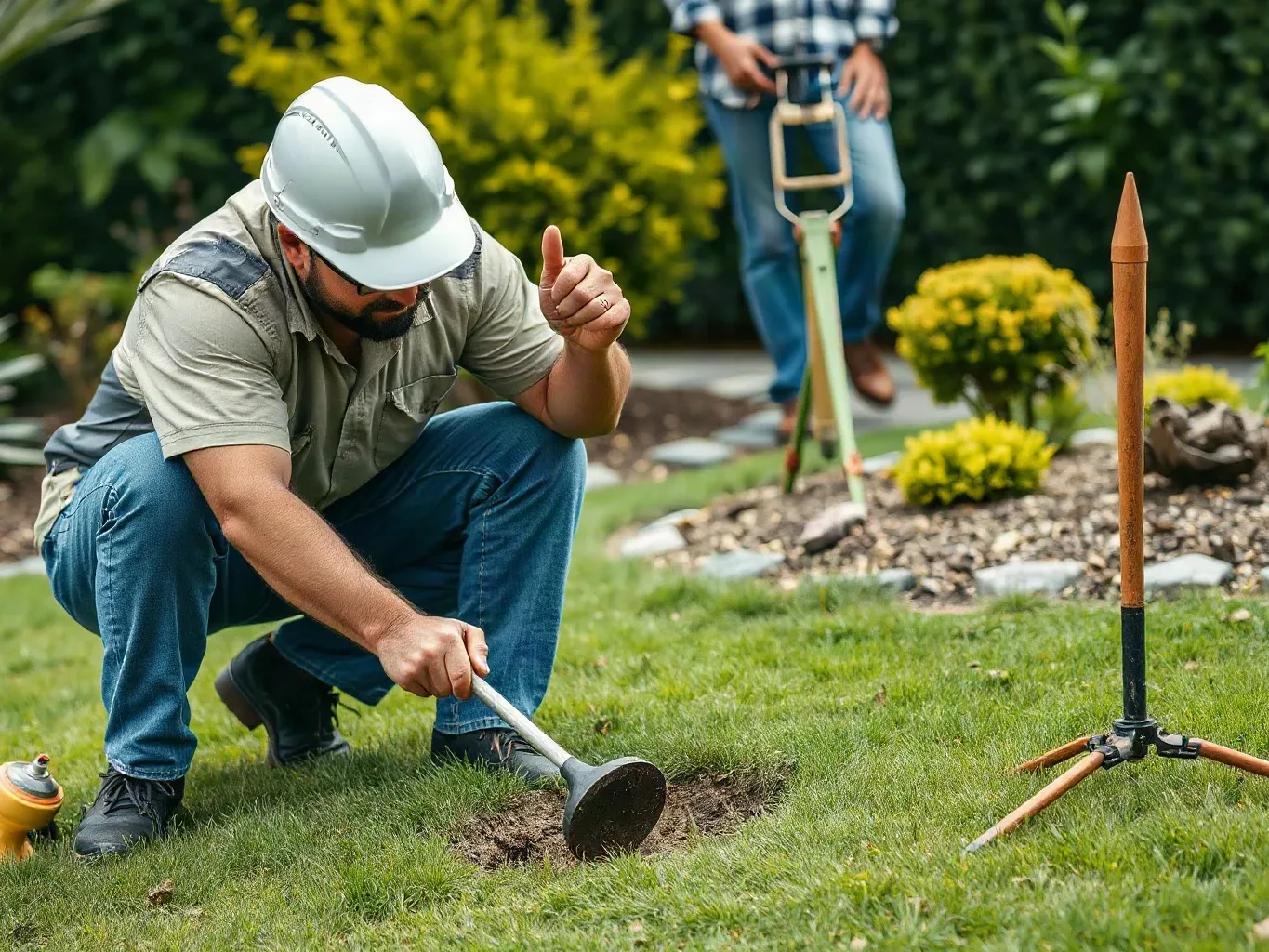
Horizontal collectors are buried in trenches roughly 1–1.5 metres deep, laid across a wide area of garden. As a rule of thumb, you need garden space roughly twice the floor area of your home. A 120 m² house therefore needs approximately 240 m² of clear, undisturbed ground. Pipes, tree roots, and existing drainage runs all reduce usable area.
This approach is the cheaper groundwork option and suits properties with generous lawns on the outskirts of Edinburgh, such as parts of Corstorphine, Currie, or Balerno, where plot sizes are more generous.
Borehole Collectors
Boreholes are drilled vertically to depths of 80–150 metres. A single borehole occupies a small surface footprint, making it viable for mid-terrace houses or properties with limited garden space. Drilling requires specialist equipment and council notification but is regularly completed in Edinburgh's stone and clay geology.
Borehole installations cost more than horizontal systems, which partly explains the wide cost range for ground source heat pump Edinburgh projects overall.
Is Your Edinburgh Property Actually Suitable?
Four factors determine suitability most directly.
Land availability or borehole access. You need either sufficient garden for collectors or a drilling path clear of services and structures.
Heating system compatibility. GSHPs work most efficiently with low-temperature distribution, ideally underfloor heating or oversized radiators. A house running on standard small radiators at 70°C will need radiator upgrades, which adds cost.
Insulation level. A poorly insulated property loses heat faster than the pump can replace it economically. Solid-wall tenements common in EH3–EH10 often need insulation improvements first.
Planning permission. Most domestic GSHP installations fall under permitted development in Scotland, but properties in Edinburgh's conservation areas or listed buildings require formal consent. Check with Edinburgh City Council before commissioning a survey.
Ground Source Heat Pump Installation - What the Process Looks Like
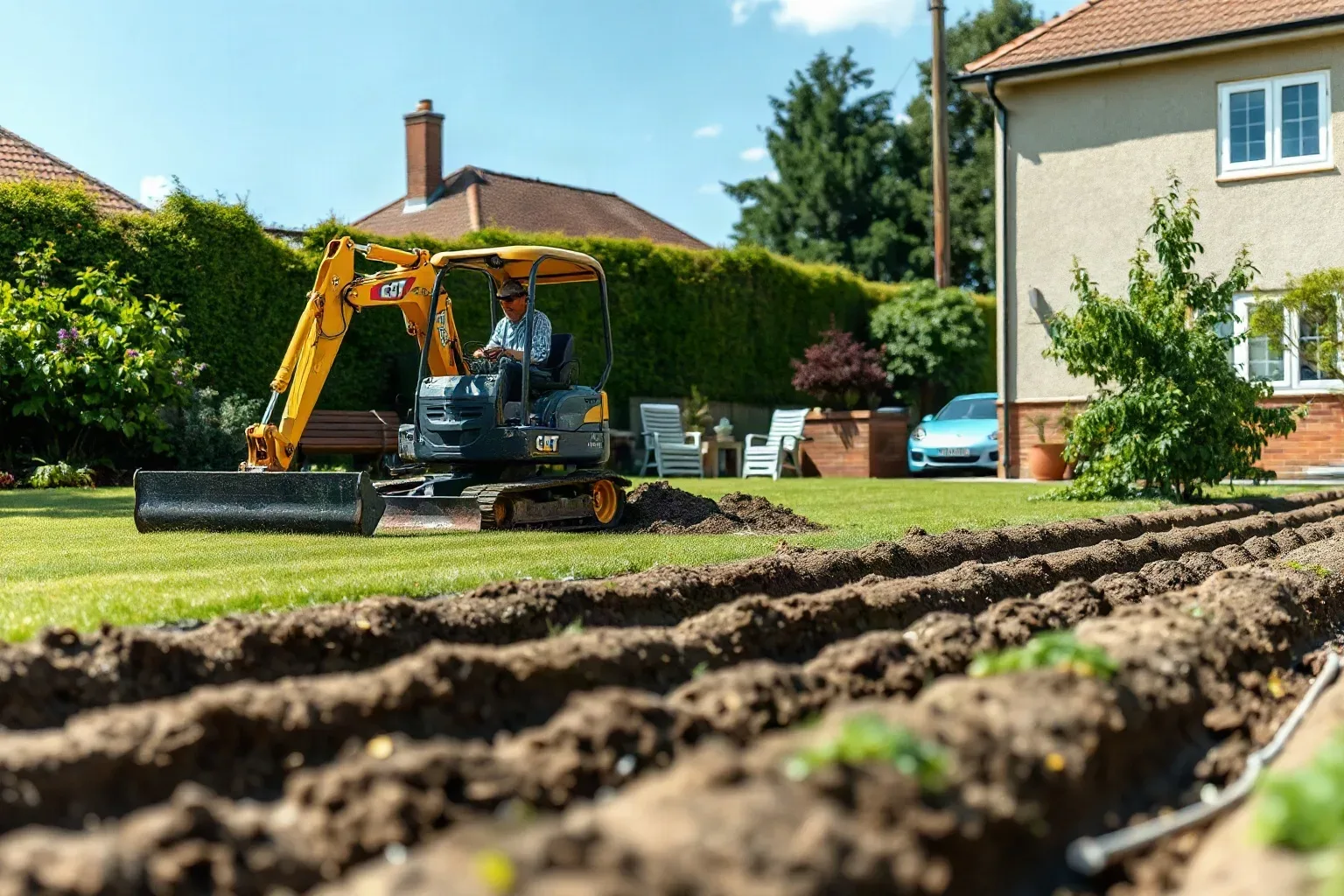
A realistic installation runs across three to five days for the groundwork and two to three days for the internal fit. The sequence is: site survey and heat loss calculation, ground loop installation (trenching or drilling), indoor unit placement, connection to the heating circuit, commissioning and controls setup.
A Gas Safe registered engineer is not required for this work, since no gas is involved, but the refrigerant handling for the heat pump unit must be carried out by an F-Gas certified (Category I) engineer. Always confirm this certification before booking any contractor.
Expect some disruption to garden areas with horizontal systems. Trenches are typically reinstated within the same visit, though grass takes a season to fully recover.
How Much Does It Cost in Edinburgh?
Ground source heat pump installation in Edinburgh costs £15,000–£30,000 for supply and full installation. The lower end reflects horizontal collector systems on straightforward sites. The upper end reflects borehole installations or properties requiring significant groundwork, pipework alterations, or radiator upgrades.
That figure is before any grants are applied. Running costs vary by property, but homes switching from oil or LPG typically see the most significant annual savings. Switching from mains gas produces more modest running cost reductions at current tariffs, though insulation improvements and future energy price movements change that picture considerably.
The Boiler Upgrade Scheme Grant
The Boiler Upgrade Scheme (BUS) currently provides a flat grant of £7,500 toward a ground source heat pump installation. This is available to homeowners in Scotland and across the UK through Ofgem. The grant is paid directly to the installing contractor and deducted from your invoice, so you never handle the funds yourself.
To qualify, your property needs a valid Energy Performance Certificate (EPC) with no outstanding recommendations for loft or cavity wall insulation. Confirm the current grant figure and eligibility criteria with the scheme operator before signing a contract, as terms can change.
Combining the BUS grant with the Scottish Government's Home Energy Scotland advice service is worth doing early. Home Energy Scotland can also point toward additional funding routes for insulation work that makes a GSHP installation more cost-effective.

Ground Source vs Air Source - Which Makes More Sense Here?
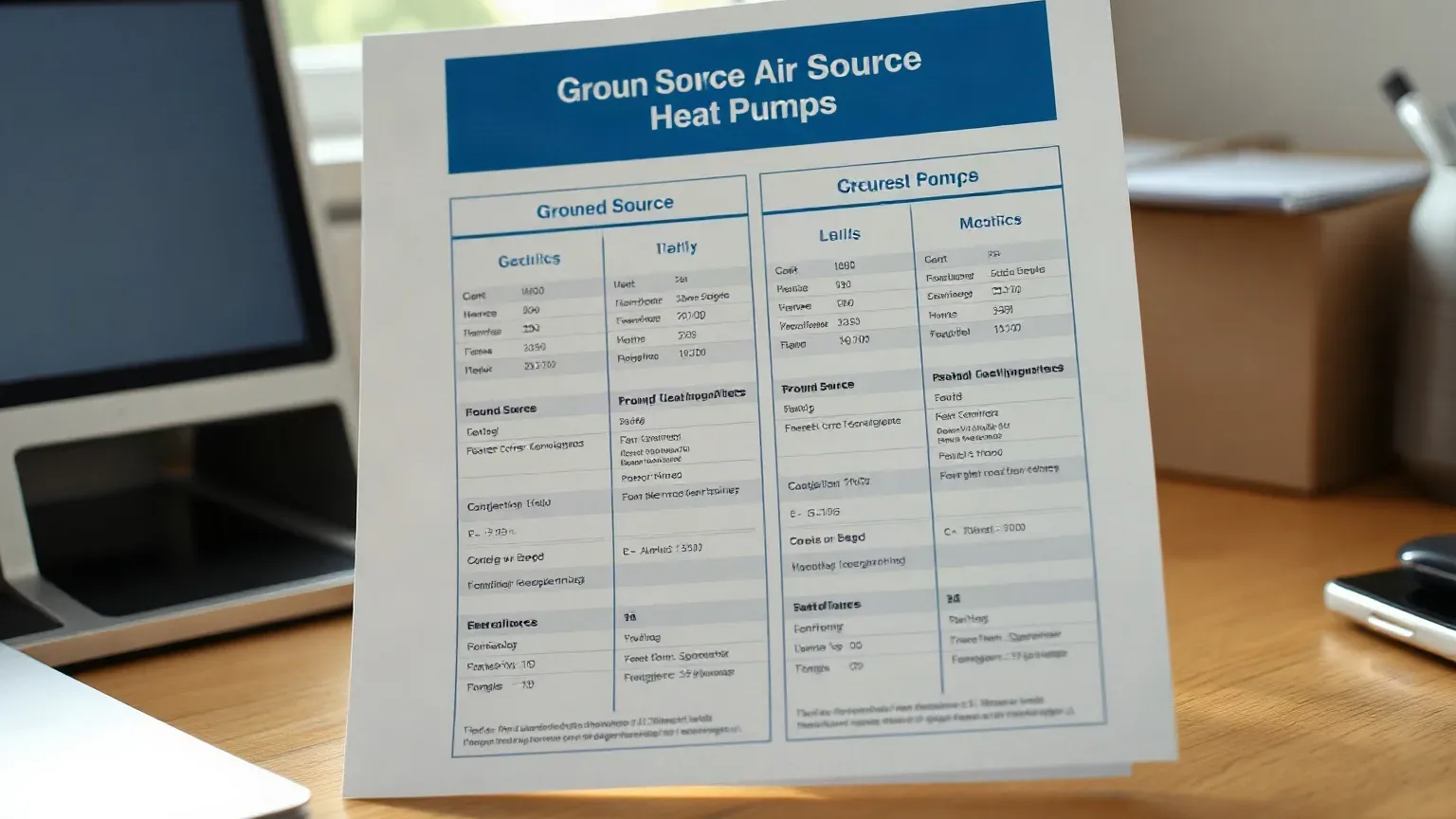
An air source heat pump (ASHP) costs considerably less to install: £8,000–£15,000 before grant deductions versus £15,000–£30,000 for a GSHP. For most Edinburgh homeowners with limited land, an ASHP is the practical starting point.
GSHPs hold an efficiency advantage because ground temperature is more stable than air temperature. In a Scottish winter when an ASHP's performance dips, a GSHP continues drawing on consistent sub-surface warmth. Both technologies qualify for the BUS grant at the same £7,500 level.
Properties with the land for a horizontal collector and a well-insulated fabric genuinely do benefit from the GSHP's steadier seasonal performance. Properties without that land, or where drilling costs push the budget well above £25,000, often find an ASHP delivers a better return.
What to Do Before Calling a Contractor
Start with a heat loss calculation for your home. This figure, measured in kilowatts, determines the pump size required and whether your existing distribution system can handle low-temperature output. Any reputable installer will carry this out as part of their survey.
Pull together your last 12 months of energy bills. An installer needs to understand your current annual heat demand, not just your floor area. Check your EPC rating: properties at D or below usually need some insulation work before a GSHP delivers its potential efficiency.
Finally, confirm that your chosen installer holds F-Gas certification (Category I) and carries appropriate public liability insurance. Ask to see the MCS (Microgeneration Certification Scheme) accreditation, which is required for the BUS grant to be valid.
Call or message us with your postcode and a rough description of your garden or outdoor space. We cover all EH1–EH17 postcodes and can arrange a no-obligation site survey, typically within a few working days.
Frequently Asked Questions
Ground Source Heat Pump Cost Scotland
Ground source heat pump installation in Scotland costs £15,000–£30,000 for supply and full installation. The lower end covers horizontal collector systems on sites with adequate garden space, while the upper end reflects borehole drilling or properties needing additional pipework or radiator upgrades. The Boiler Upgrade Scheme grant of £7,500 can be deducted from this figure, bringing net costs down to roughly £7,500–£22,500 depending on the system type and site complexity.
Ground Source Heat Pump Installation
Installation involves a site survey and heat loss calculation, followed by ground loop installation via trenching or borehole drilling, then internal unit placement and connection to your heating circuit. The groundwork typically takes three to five days; the internal fit takes two to three days. Refrigerant work must be carried out by an F-Gas certified (Category I) engineer, and the installer should hold MCS accreditation for the Boiler Upgrade Scheme grant to apply.
Ground Source Heat Pump Efficiency
Ground source heat pumps typically achieve a seasonal coefficient of performance (COP) of 2.5–3.5, meaning 250–350% efficiency. They draw on stable sub-surface temperatures of 8–12°C even in Scottish winters, which gives them a steadier performance profile than air source units during cold spells. Efficiency is highest when the system feeds low-temperature distribution, such as underfloor heating or oversized radiators, rather than standard radiators designed for high-temperature boilers.
Ground Source Heat Pump vs Air Source
Air source heat pumps cost £8,000–£15,000 to install, significantly less than the £15,000–£30,000 for a ground source system. GSHPs hold an efficiency edge in cold weather because ground temperature remains stable regardless of air temperature. Both qualify for the same £7,500 Boiler Upgrade Scheme grant. For properties without sufficient land for collectors or where borehole costs are high, an air source heat pump often delivers a better overall return.
Ground Source Heat Pump Grants
The Boiler Upgrade Scheme (BUS), administered by Ofgem, provides a £7,500 grant toward ground source heat pump installation for eligible UK homeowners, including those in Scotland. The grant is paid to your installer and deducted from your invoice. To qualify, your property needs a valid EPC with no outstanding loft or cavity wall insulation recommendations, and your installer must hold MCS accreditation. Always verify the current grant amount with Ofgem directly before signing a contract.