Heat Pump Installation Edinburgh

Why Edinburgh Homes Are Switching to Heat Pumps
Heat pumps are now the most practical low-carbon heating upgrade available to Edinburgh homeowners. Rather than burning fuel, a heat pump moves heat from outside air or ground into your home, delivering 250–350% efficiency compared to the 90–95% ceiling of even the best gas boilers. That gap translates directly into lower running costs on a like-for-like basis, particularly as electricity tariffs settle and gas prices remain volatile.
Edinburgh's climate suits air source heat pump (ASHP) systems well. Modern units operate down to around minus 20°C, so even a January morning on Corstorphine Hill presents no real barrier. The technology has matured significantly: noise levels, defrost cycles, and physical footprints are all far smaller than they were five years ago.
Beyond heating, most systems provide active cooling in summer. For Edinburgh properties that trap heat in south-facing rooms or converted attic spaces, that dual function adds genuine year-round value.
Types of Heat Pump Available
Air Source Heat Pumps
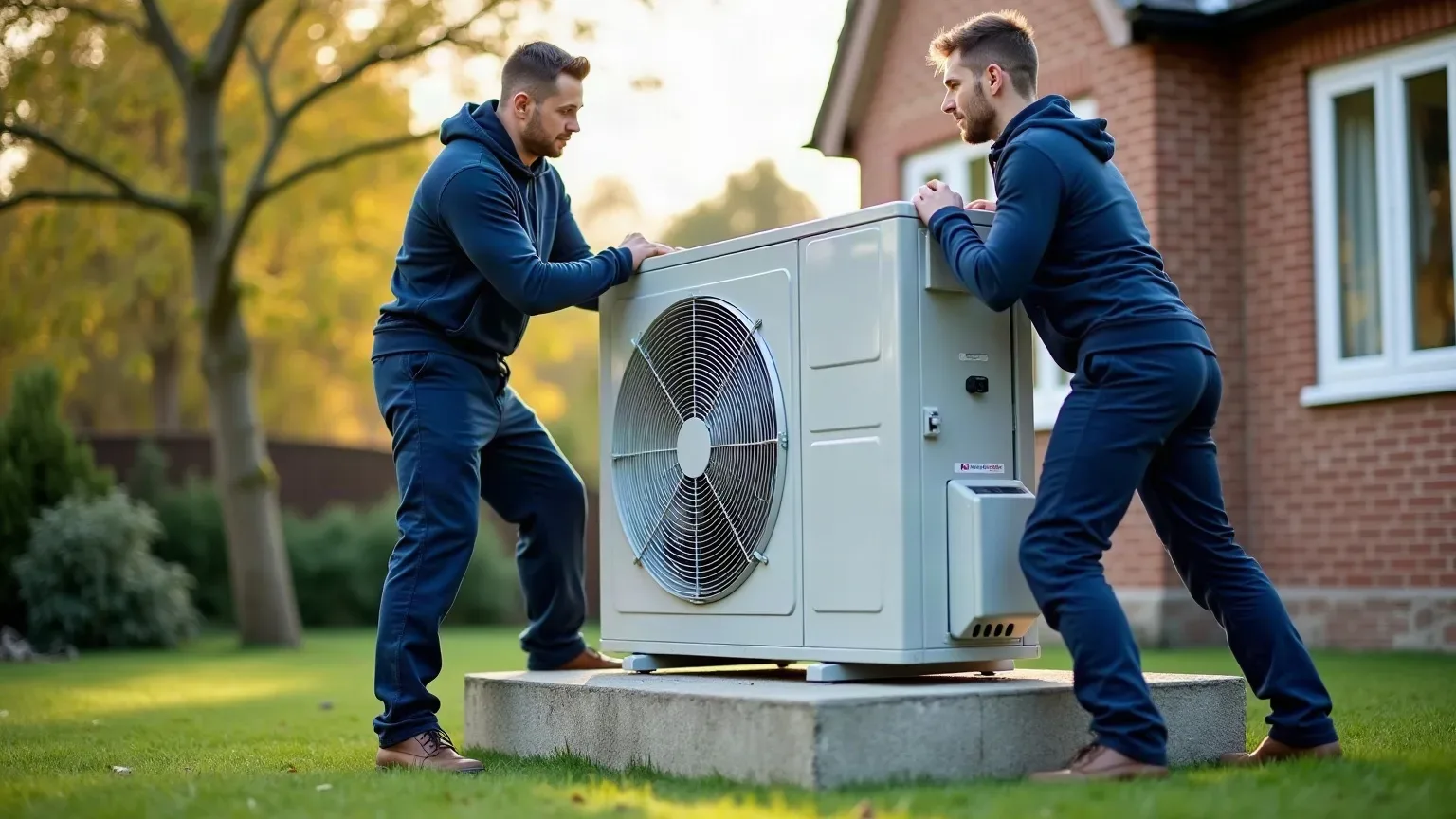
An air source heat pump (ASHP) extracts heat from outdoor air via an external unit, typically wall-mounted or ground-level, and distributes it through underfloor heating or radiators inside. Installation is relatively straightforward: no groundworks, no drilling. Supply and installation costs typically run £8,000–£15,000 before any grant deductions.
ASHPs suit most Edinburgh property types, from Victorian terraces in Morningside to modern flats in Leith. The main prerequisite is adequate insulation. A poorly insulated home forces the system to run harder, reducing efficiency and increasing bills.
Ground Source Heat Pumps
Ground source systems extract heat from the earth through buried pipework, either horizontal collectors laid in trenches or vertical boreholes drilled to 80–150 metres. They deliver slightly higher seasonal efficiency than ASHPs because ground temperature stays more stable than air temperature. The trade-off is cost and disruption: expect £15,000–£30,000 including groundworks, with the wider range driven by whether your site needs boreholes or can accommodate horizontal collector loops.
Properties in Edinburgh's outer areas, such as Balerno or Currie, where garden space is plentiful, are strong candidates. City-centre tenements are almost never practical for ground source without specialist engineering.
What Affects Installation Cost
The headline figures (£8,000–£15,000 for air source, £15,000–£30,000 for ground source) cover supply and full installation before grant deductions. Several site-specific factors push costs toward the higher end.
Existing radiator sizing matters. Heat pumps operate at lower flow temperatures than gas boilers, typically 45–55°C rather than 70–80°C. Older, undersized radiators may need replacing to distribute heat effectively. Insulation upgrades, new cylinder installation, and any changes to electrical supply all add to the final figure.
A proper pre-installation survey will identify these before you commit.

Heat Pump Grants Available in Scotland
The Boiler Upgrade Scheme (BUS) offers a £7,500 flat grant toward ASHP or ground source heat pump installation in Scotland. Administered by Ofgem, it is applied directly by your installer as a discount off the invoice, so you never handle the money yourself. Eligibility requires a valid EPC for the property and no existing renewable heating system in place.
Scottish homeowners may also access additional funding through Home Energy Scotland, which offers interest-free loans and cashback grants on qualifying upgrades. The two schemes can sometimes be combined, though rules change: always verify current eligibility before signing a contract. After the £7,500 BUS grant, a mid-range ASHP installation can land closer to £6,000–£10,000 net.

The Installation Process
Survey and Design
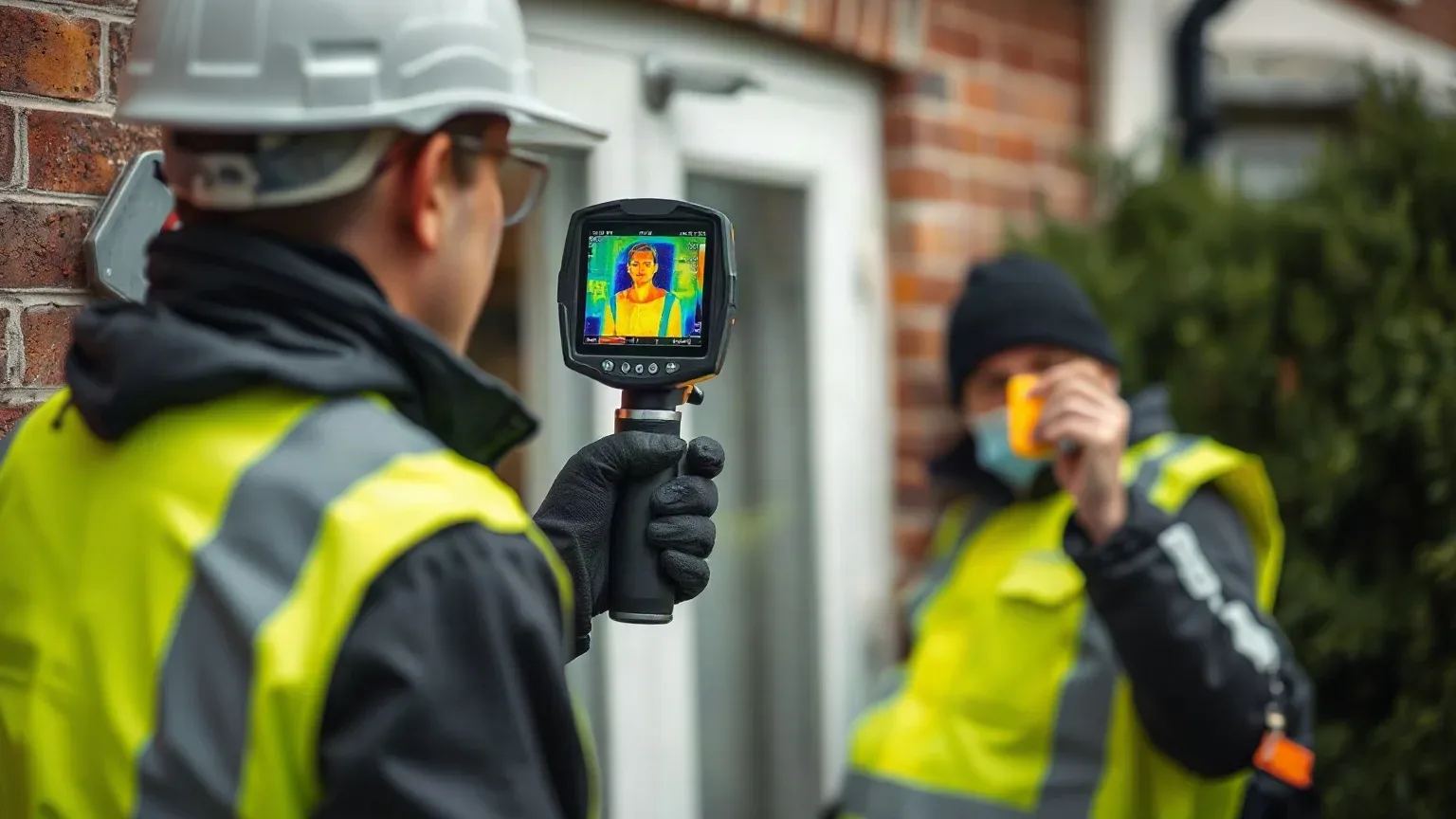
Every proper installation starts with a heat loss calculation for each room. This determines the output the system needs to deliver and flags whether existing emitters are adequate. The survey also covers external unit placement, route for refrigerant pipework, and electrical connection requirements. Expect the survey to take two to three hours for a typical Edinburgh semi-detached.
Installation Timeframe
An ASHP installation typically takes two to three days for a standard Edinburgh home. Ground source systems vary considerably: horizontal collectors require a day or two of groundworks plus the internal fit, while borehole drilling adds a separate specialist visit and can extend the project to a week or more. Internal work covers fitting the indoor unit or cylinder, connecting to the heating distribution system, and commissioning the controls.
Commissioning and Handover
Once installed, the system is pressure-tested, filled, and run through a full commissioning sequence. Your engineer, who must hold F-Gas certification (Category I) for refrigerant handling, will set flow temperatures, program schedules, and walk you through the controls. Most modern heat pumps include app-based monitoring so you can track output and efficiency from your phone.
Choosing a Heat Pump Installer in Edinburgh
All refrigerant work on heat pump systems must be carried out by F-Gas certified (Category I) engineers. For any associated gas disconnection work, Gas Safe registration is required. Ask any installer to show both credentials before agreeing to a survey.
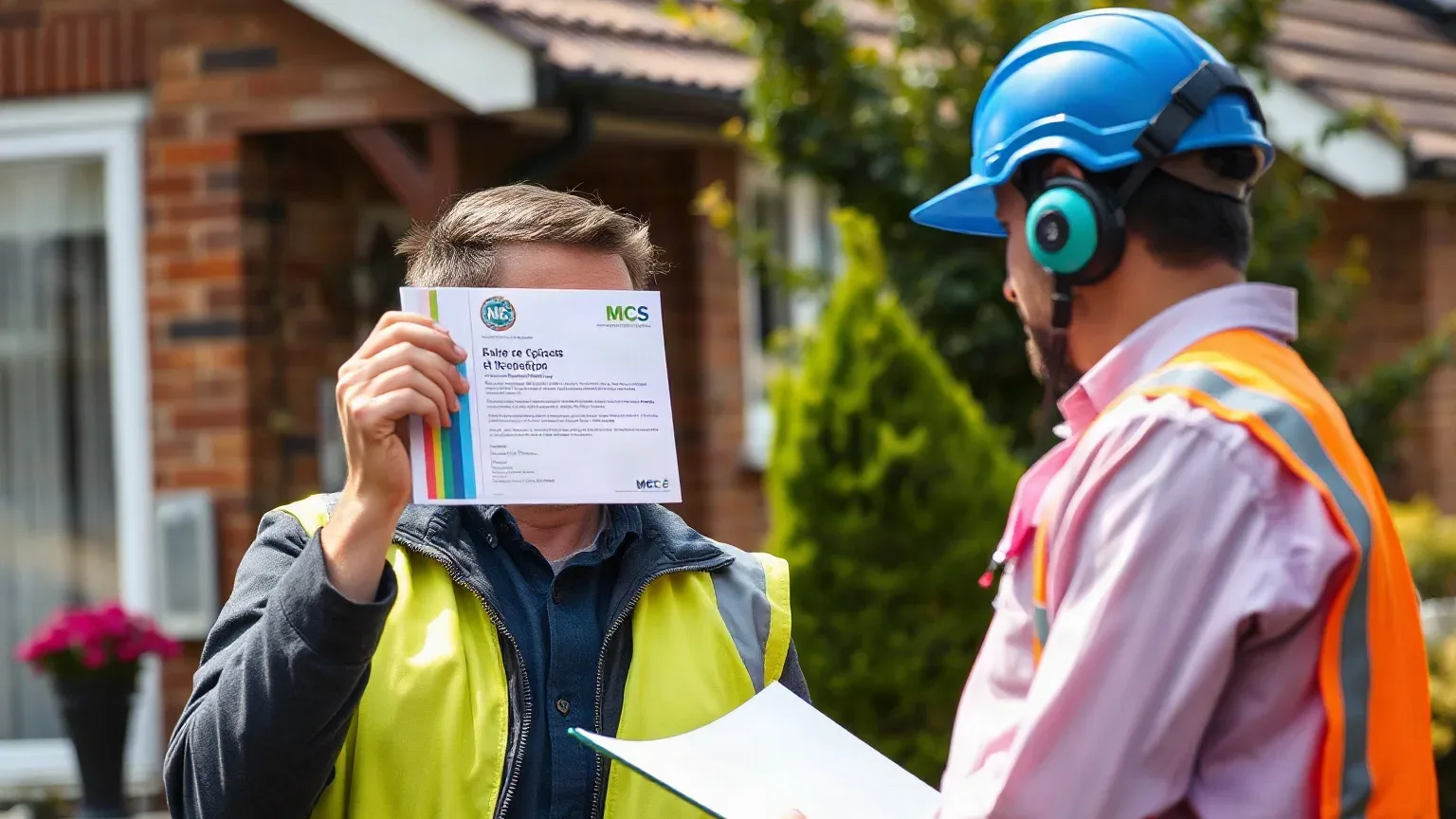
MCS certification (Microgeneration Certification Scheme) is a separate but critical requirement. Only installations carried out by MCS-certified contractors qualify for the BUS grant. Checking the MCS installer database at mcscertified.com takes two minutes and confirms eligibility before you spend time on quotes.
Request itemised quotes that separate the heat pump unit, ancillary components, and labour. Three quotes is a reasonable baseline for a job in the £8,000–£15,000 range. Be cautious of any quote that skips the heat loss survey or cannot produce MCS paperwork on request.
Is Your Edinburgh Property Suitable?
Most Edinburgh homes can accommodate an ASHP with modest preparation. The key variables are insulation quality, available external space for the outdoor unit (roughly 0.5 m² of clear wall or ground), and the existing heating distribution system. Solid-wall Victorian properties, which are common across the Southside and New Town, may benefit from internal or external wall insulation before installation to maximise efficiency.
Flats present more complexity. Shared or common walls, communal garden access, and factoring arrangements can all complicate installation. It is not impossible, but a survey needs to assess these specifics directly.
Underfloor heating is the ideal distribution partner for heat pumps, but oversized radiators work almost as well. Your installer should confirm compatibility during the survey rather than assuming.
What to Do Next
Contact a local MCS-certified installer to book a no-obligation heat loss survey. Bring your most recent energy bills and any existing EPC documentation: both speed up the assessment and help the installer size the system accurately. If your boiler is more than 10 years old, ask for a comparison between heat pump installation and boiler replacement so you can weigh both options on actual numbers rather than estimates.
The BUS grant is not indefinitely guaranteed, so confirming your eligibility sooner rather than later is a straightforward way to secure the best net cost on what is likely to be a 20-plus-year investment.

Frequently Asked Questions
Heat Pump Installation Cost Edinburgh
Air source heat pump (ASHP) installation in Edinburgh typically costs £8,000–£15,000 for supply and full installation before any grant deductions. Ground source systems run £15,000–£30,000, with the higher end reflecting borehole drilling rather than horizontal collectors. Additional costs can arise from radiator upgrades, new hot water cylinders, or insulation work identified during the pre-installation survey. After the £7,500 Boiler Upgrade Scheme grant, a mid-range ASHP often lands in the £6,000–£10,000 net range.
Heat Pump Installation Grants Scotland
The main grant available is the Boiler Upgrade Scheme (BUS), which provides £7,500 toward an air source or ground source heat pump installed by an MCS-certified contractor. Ofgem administers the scheme and the grant is applied as a direct discount off your installer's invoice. Scottish homeowners can also explore Home Energy Scotland loans and cashback offers, which sometimes stack with BUS funding. Always verify current eligibility and grant levels before signing a contract, as figures and rules are subject to government review.
Air Source Heat Pump Installation Edinburgh
An air source heat pump (ASHP) is the most practical heat pump option for the majority of Edinburgh homes, requiring no groundworks and suiting everything from New Town flats to suburban semis. The outdoor unit needs roughly 0.5 m² of clear wall or ground space and a suitable route for refrigerant pipework to the indoor unit. Installation typically takes two to three days, and all refrigerant work must be carried out by an F-Gas certified (Category I) engineer. Costs run £8,000–£15,000 before the £7,500 BUS grant.
Best Heat Pump Installers Edinburgh
The most reliable way to identify a qualified installer is to check the MCS installer database at mcscertified.com, since MCS certification is a mandatory requirement for BUS grant eligibility. Confirm the engineer also holds F-Gas certification (Category I) for refrigerant handling, and Gas Safe registration if any gas disconnection work is involved. Request itemised quotes from at least three companies, and avoid any installer who offers to skip the heat loss survey, as accurate system sizing depends on it. Reading recent reviews on Google or Trustpilot for Edinburgh-specific jobs adds a useful local perspective.
Heat Pump Installation Time
A standard ASHP installation in an Edinburgh home takes two to three days from start to commissioning. Ground source systems with horizontal collectors typically add a day of groundworks, while borehole drilling is a separate specialist phase that can extend the overall project to a week or more. The pre-installation survey, which is essential for accurate sizing, usually takes two to three hours. Commissioning at the end of installation includes pressure testing, system fill, flow temperature setting, and a controls handover.